

Adult Maltipoo: Weight, Appearance, and Temperament
When a tiny fluffy puppy first arrives home, it is hard to imagine what it will look like as an adult. A grown maltipoo is already a fully formed personality – with its own character, habits, and very specific physical traits. For some people this is simply an interesting detail, but for most future owners it is a genuinely important question: how much will a maltipoo weigh as an adult, what will its coat look like, and will that puppy-like warmth and attachment stay? At MilaPoo Family kennel we follow our puppies from birth through adulthood, so everything we know about maltipoo development comes from real experience, not just theory. In this article we have put together everything that matters about the adult maltipoo – weight, appearance, and character – so you know what to expect a year or two after your puppy comes home. If you are still choosing your first maltipoo, we recommend reading our guide on everything you need to know about the breed before buying – it covers all the essentials for anyone just getting to know maltipoos.
When is a maltipoo considered an adult
A Maltipoo is physically grown at 8-12 months and mentally mature by 12-18 months. Maltipoos are a small breed, and small breeds mature faster than large ones. Physically, a maltipoo reaches its adult size at around 8-12 months – that is when height and weight stabilise and stop changing in any meaningful way. But «physically adult» and «fully developed» are two different things. Psychological maturity arrives later, somewhere between 12 and 18 months, and that is when the character truly settles: the puppy chaos fades, the daily routine becomes more predictable, and the overall behaviour calms down noticeably. Many owners notice that somewhere between the first and second year their maltipoo seems to «click» – becoming a little more composed, less likely to chew everything in sight, and more responsive to commands. It is a natural and genuinely enjoyable transition worth simply waiting for.
There is one more important nuance: as a mixed breed, a maltipoo may mature at a slightly different pace depending on which parent line is more dominant – the Maltese or the poodle. The Maltese tends to be a little smaller and more refined by nature, while the poodle is more energetic and active. This means two maltipoos from the same litter can look a little different from each other and develop at different speeds. This is not a problem – it is simply a characteristic of hybrid breeds, and it is worth keeping in mind before expecting adult behaviour from a young puppy.
Adult maltipoo weight: norms and size categories
An adult Maltipoo weighs 1.4-6 kg (3-13 lbs): super micro up to 2 kg, micro up to 2.5 kg, mini up to 4 kg, standard up to 6 kg.
Weight is one of the most common questions we hear from owners and from people planning to get a puppy. Unlike purebred dogs, the maltipoo has no rigid breed standard for weight, so the best reference point is the size categories that have developed through breeding practice. At MilaPoo Family kennel we work with several size categories, each with its own adult weight range. It is important to understand that these figures are approximate – the actual weight of any individual maltipoo depends on the genetics of the parents, diet, activity level, and overall health.
Mini and micro sizes
Super Micro: up to 2 kg as adult
Micro: up to 2.5 kg as adult
Ideal for: apartments, in-cabin flights, limited living space
Mini and standard
Mini: up to 4 kg as adult
Standard: up to 6 kg as adult
Height at withers: 25-38 cm depending on size
Ideal for: active walks, families with children, houses with yards
| Size | Adult weight |
|---|---|
| Super micro | up to 2 kg (4.4 lbs) |
| Micro | up to 2.5 kg (5.5 lbs) |
| Mini | up to 4 kg (8.8 lbs) |
| Standard | up to 6 kg (13 lbs) |
If you want a more detailed breakdown of the size categories and how to choose the right one, we have a dedicated article on which maltipoo size to choose – covering not just weight but also how temperament and care differ between sizes. On the topic of weight itself: it is important to make sure your adult maltipoo does not gain excess weight. Even 200-300 grams over the healthy range puts a noticeable strain on the joints and heart of a small maltipoo.
What an adult maltipoo looks like: coat, face, build
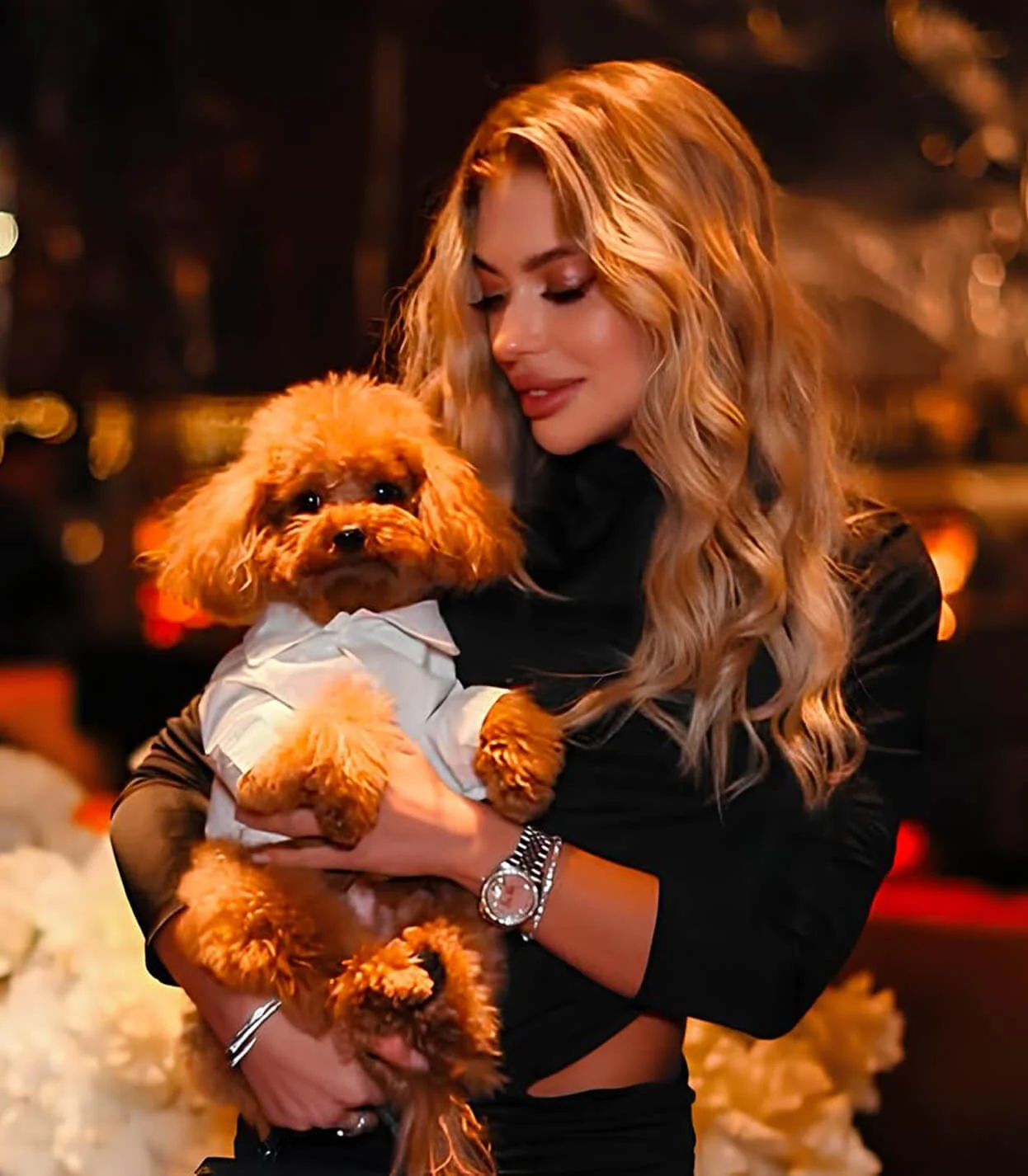
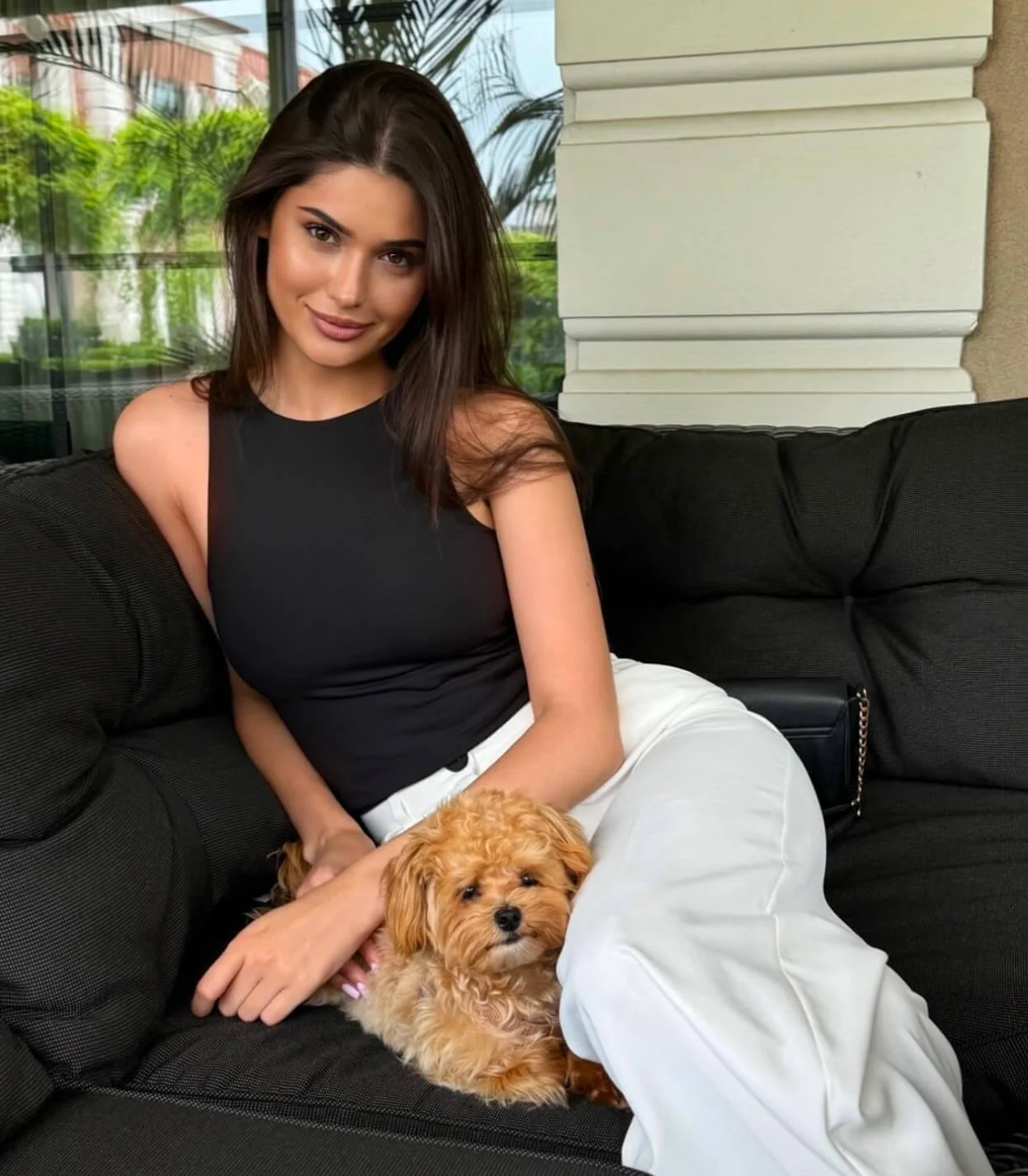
The adult Maltipoo coat comes in between 6 and 14 months, turning denser, curlier or wavier depending on genetics. The appearance of an adult maltipoo often surprises new owners. A puppy and a grown maltipoo can look quite different from each other, and that is completely normal. Puppy coat tends to be softer, straighter, and a little more silky. Somewhere between 6 and 14 months the coat begins transitioning to its adult texture – a process that can take several months and often comes with more matting than usual. The adult coat depends on genetics: if the poodle line is dominant, it will be curlier and denser; if the Maltese line prevails, it will be softer, wavy, or nearly straight. The colour can shift slightly too – some shades deepen while others fade a little with age.
The face of an adult maltipoo is typically rounded, with large expressive dark eyes and a black or dark brown nose. The ears hang down and are covered in coat – which is one reason why ear care and regular cleaning matter so much for this breed. The build is compact and proportionate: a short neck, rounded body, and a level back. Despite the small size, a well-nourished and active adult maltipoo looks confident and even a little «substantial» – not fragile or delicate, but sturdy and healthy. That is exactly the build we select for at MilaPoo Family kennel when pairing our breeding adults.
🌿 Signs of a healthy adult maltipoo
— Shiny, soft coat with no mats or bare patches
— Clear eyes with no discharge or redness
— Clean ears with no odour or dark buildup
— Even gait with no limping or stiffness
— Weight within the normal range for its size – no visible ribs and no excess fat rolls
The character of an adult maltipoo
The adult Maltipoo temperament is calm and people-focused: after 12-18 months the behaviour becomes predictable. Character is probably the most fascinating topic for anyone who loves maltipoos. This breed has won the hearts of people around the world not just for its looks but for its temperament. An adult maltipoo holds on to that puppy-like energy and openness far longer than most breeds – they stay playful and curious well into their fifth, sixth, and seventh year. At the same time, a grown maltipoo is noticeably calmer than a puppy: it understands the daily routine, creates less chaos around the house, and is perfectly capable of sitting quietly beside you without demanding attention every single minute. That rare balance between liveliness and easy-going companionship is exactly what makes maltipoos such a natural fit for so many different lifestyles.
Maltipoos are a breed with a very deep bond to their person. An adult maltipoo will typically choose one favourite person in the household and follow them everywhere, while still being warm and friendly with everyone else. They are remarkably attuned to their owner’s mood – when you are sad, a maltipoo will quietly settle beside you; when you are happy, it will bounce around and try to get a game going. This emotional sensitivity makes them wonderful companions for people living alone, for couples, and for families with children. We have a dedicated article about how maltipoos interact with children – worth reading if you have little ones at home.
Intelligence deserves a special mention. Maltipoos inherit strong mental ability from the poodle side – they learn quickly, retain commands well, and can master quite complex tricks with consistent training. An adult maltipoo that has been worked with from puppyhood is an obedient and genuinely predictable companion. But if training was skipped, the character can lean stubborn: maltipoos are clever enough to find workarounds and get what they want. Starting early makes a real difference – we have a dedicated article on the first commands for maltipoos that is a good starting point.
What changes with age: from puppy to adult
Between 6 and 12 months the coat changes, at 10-12 months a Maltipoo moves to adult food, and after the first year behaviour settles. The transition from puppy to adult maltipoo is gradual and mostly pleasant, but a few changes can catch unprepared owners off guard. The first is the coat change already mentioned above. Somewhere between 6 and 12 months the coat thickens, may change texture, and will need more frequent brushing. The second is energy: a maltipoo puppy can seem completely inexhaustible, but an adult is more measured with its energy and happily settles on the sofa after a walk. This is not laziness – it is simply a maturing sense of how to rest. On the topic of food: adult maltipoos transition to adult formula at around 10-12 months, and portion sizes become more stable. Feeding frequency and portions by age are covered in our practical care guide “Maltipoo care in detail” – worth reading to make sure you are feeding the right amounts.
| Age | Milestone |
|---|---|
| 6-14 months | puppy coat changes to adult coat |
| 8-12 months | adult height and weight reached |
| 12-18 months | mental maturity, character settles |
Another shift owners notice is in social behaviour. A maltipoo puppy is typically open to everyone and everything, but an adult may become a little more selective about strangers and unfamiliar animals. This is normal and does not indicate aggression – it simply means the adult maltipoo has developed preferences and is not automatically interested in every new encounter. Good socialisation from an early age minimises this selectiveness and keeps maltipoos open and friendly throughout their lives. Our guide on maltipoo puppy socialisation from the first weeks is a great resource for building the right foundation early on.
Health and lifespan of an adult maltipoo
An adult Maltipoo lives 12-16 years on average, with some reaching 17-18. Maltipoos are a healthy breed with a relatively long lifespan. On average they live 12-16 years, and some reach 17-18. But for a maltipoo to live well and stay healthy into old age, a few key things need attention from adulthood onwards. First is weight – extra pounds put serious strain on the joints, heart, and pancreas of a small maltipoo. Second is dental health: small breeds are prone to tartar buildup and tooth decay, so regular brushing and veterinary dental checks are non-negotiable. Third is eyes and ears – due to the shape of the skull and the hanging ears, maltipoos need consistent attention in these areas. For a full look at maltipoo longevity and quality of life, we covered this in detail in our article on how long maltipoos live and what matters most.
An adult maltipoo needs regular veterinary check-ups – once a year in younger and middle age, and twice a year from around 7-8 years old. Annual vaccination, parasite treatment, and weight monitoring are the baseline programme that allows any issues to be caught early. Maltipoos that receive quality nutrition, regular physical activity, and enough attention from their owner stay remarkably healthy and energetic well into old age. We always say at MilaPoo Family kennel: a strong start is already half the health. That is why choosing a puppy from a responsible kennel with documented, health-tested parents makes such a difference in the long run.
Frequently asked questions
How much does an adult maltipoo weigh?
It depends on the size category: Super Micro up to 2 kg, Micro up to 2.5 kg, Mini up to 4 kg, Standard up to 6 kg. The minimum adult weight is 1.4 kg. The actual weight of any individual maltipoo depends on the genetics of the parents, diet, and activity level.
When does a maltipoo stop growing?
Physical growth is complete at around 8-12 months. Psychological maturity arrives a little later, between 12 and 18 months – that is when the character fully settles and behaviour becomes more stable and predictable.
Does a maltipoo’s character change with age?
Yes, and for the better. An adult maltipoo becomes calmer, understands the daily routine more clearly, and creates far less chaos than a puppy. At the same time it keeps its playfulness, attachment, and emotional sensitivity to its owner for the rest of its life.
Does a maltipoo’s coat change from puppy to adult?
Yes, between 6 and 14 months the puppy coat transitions to the adult coat. It may become thicker, curlier, or wavier depending on genetics. During this period it is important to brush more frequently to prevent matting.
How long does an adult maltipoo live?
On average 12-16 years, with some reaching 17-18. Lifespan and quality of life depend on nutrition, activity level, regular veterinary care, and genetics – which is why choosing a puppy from a responsible kennel with healthy, documented parents matters so much.
Daily photos and videos of our puppies are in our Instagram. New litter announcements and helpful tips are in our Telegram.